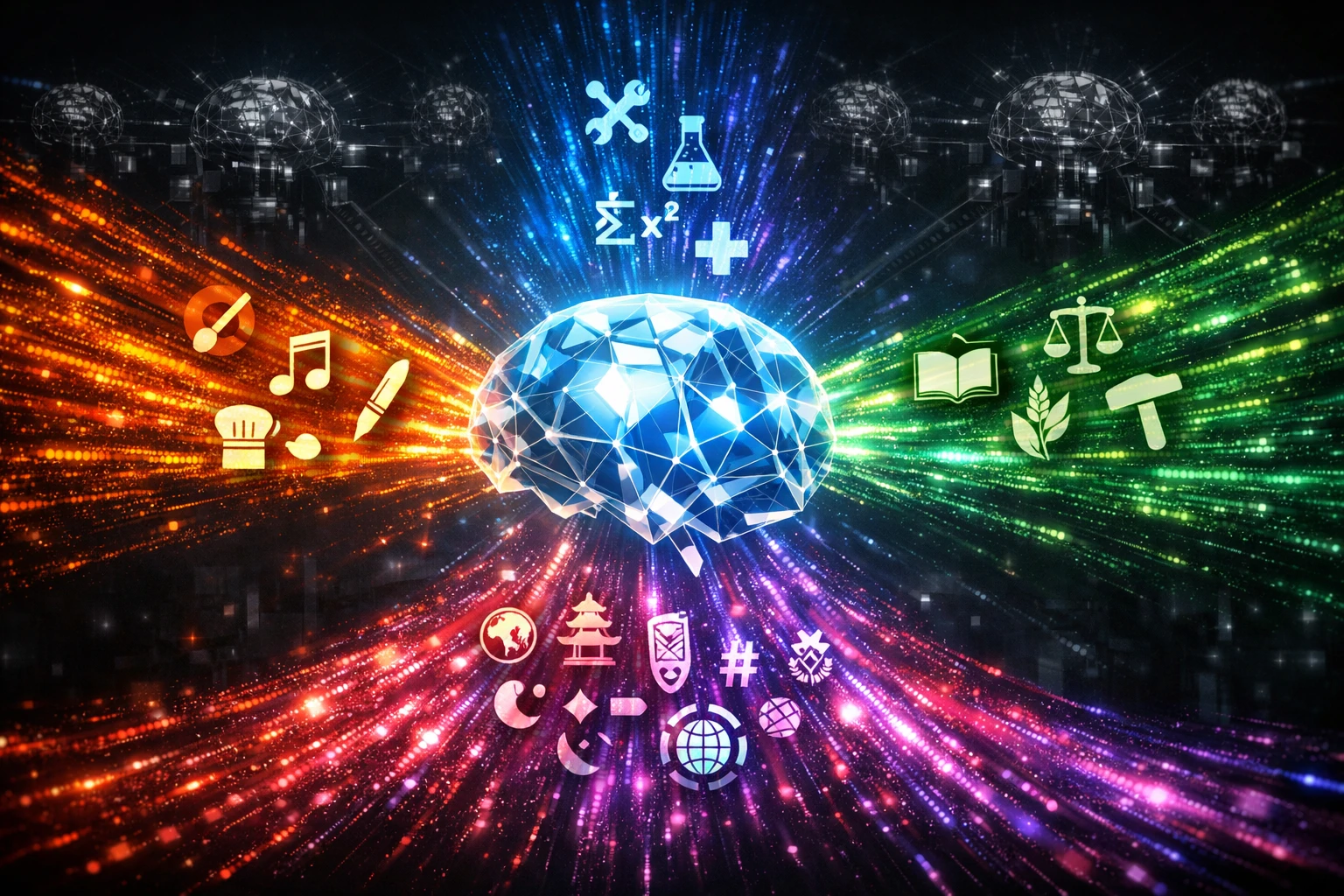
Diverse human professionals from engineering, medicine, law, and arts providing colorful streams of knowledge flowing into AI brain and DNA helix structure, symbolizing how human diversity drives AI validation and evolution

Why AI Needs Human Validation—And Eventually, Artificial DNA

TL;DR: When humans validate AI output, diverse perspectives catch diverse errors. When AIs validate each other, they converge—because similar training produces similar weights, which produces similar reasoning. Temperature adds surface-level noise, not new capabilities. Genuine novelty requires evolutionary mutation: artificial DNA. Expert vs. Researcher: Two Modes of Validation I recently published a two-part series on space-based AI infrastructure . I’m not an aerospace engineer—I’m a software developer. That distinction defines how I validate AI output. ...

February 6, 2026 · 10 min · 1981 words ·  By Eric Gulatee | AI-assisted
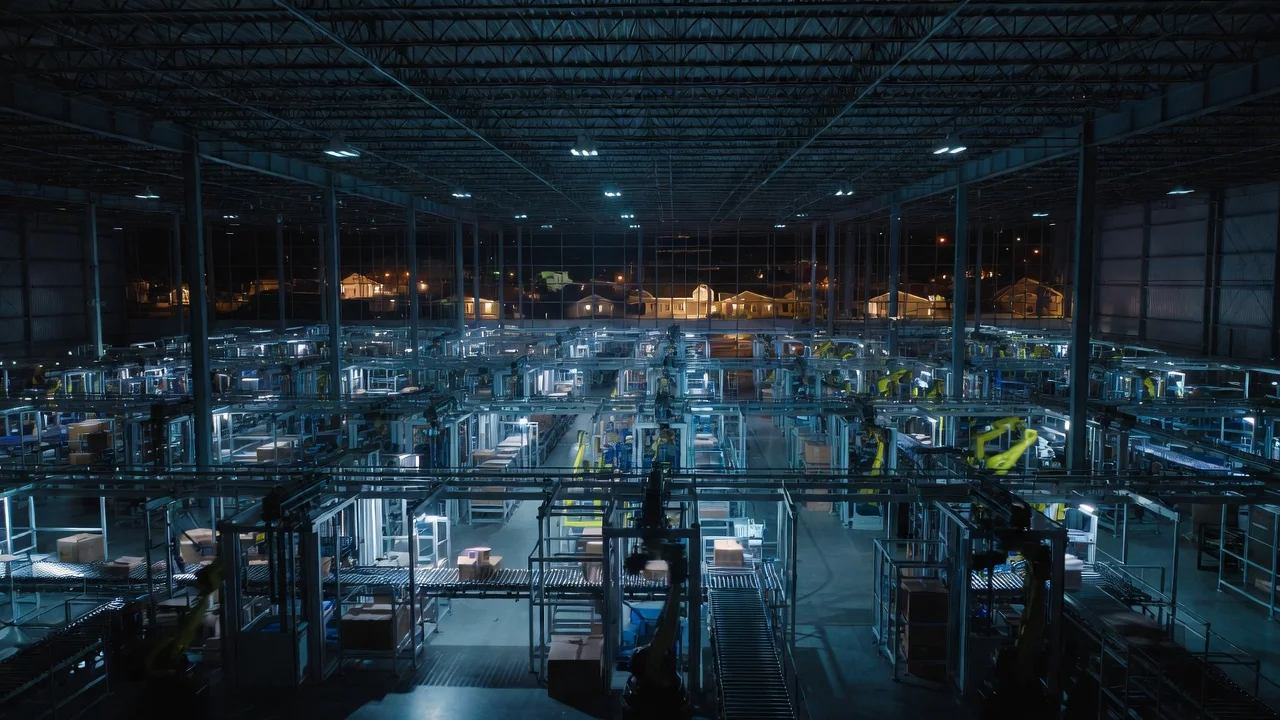
Satellite manufacturing and orbital deployment concept showing scale challenges

1M Satellites: Can It Be Done? - Part 2

📌 This is Part 2 of a 2-part series: ← Part 1: Economic Analysis Part 2 (this post): Manufacturing, regulatory, and physical constraints Last Updated: February 5, 2026 ⚠️ Accuracy Disclaimer: This analysis synthesizes data from regulatory filings, manufacturing precedents, and aerospace industry reports. While we’ve made every effort to verify production rates, regulatory approvals, and physical constraints, the space manufacturing landscape evolves rapidly. Launch capacity numbers reflect current FAA approvals as of February 2026. Timeline projections are based on historical precedents from Tesla, Apollo, and Starlink programs. Readers are encouraged to verify critical details independently. ...
February 5, 2026 · 10 min · 2111 words ·  By Eric Gulatee | AI-assisted
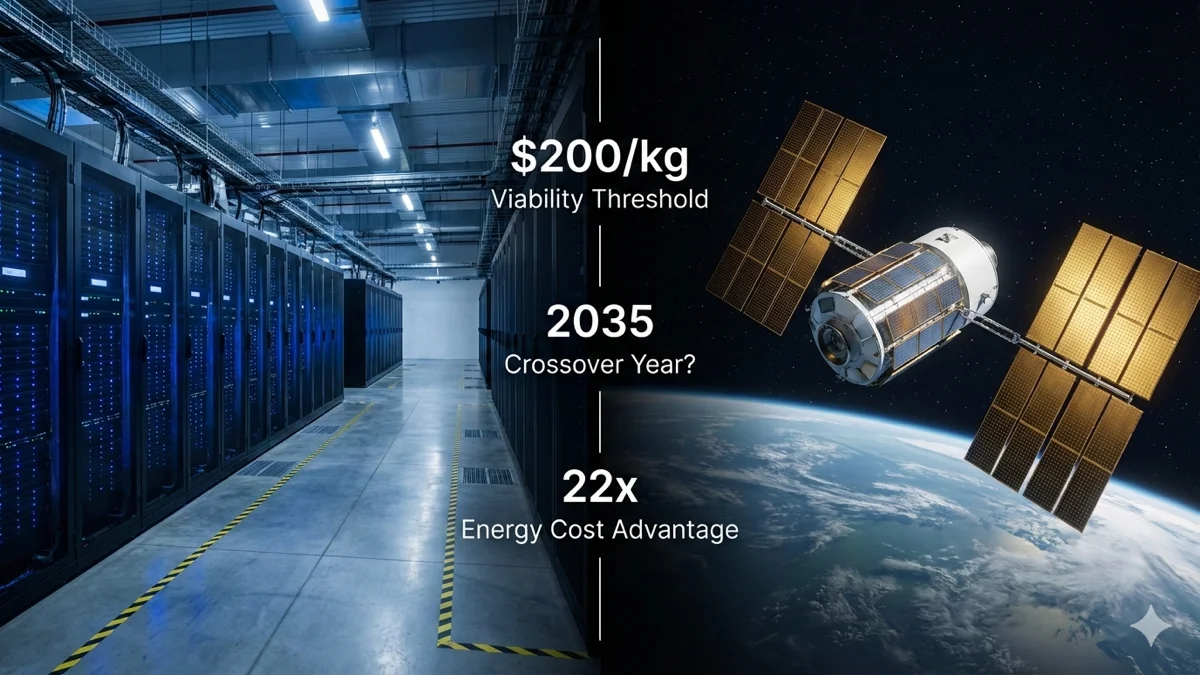
Orbital data center concept comparing Earth vs Space AI infrastructure economics

Space AI Economics - Part 1

📌 This is Part 1 of a 2-part series: Part 1 (this post): Economic viability and cost analysis Part 2: Manufacturing Reality Check → Last Updated: February 5, 2026 ⚠️ Accuracy Disclaimer: This analysis synthesizes data from 60+ sources including SpaceX filings, FAA approvals, academic research, and industry reports. While we’ve made every effort to verify claims and cite primary sources, the rapidly evolving space industry means some figures may become outdated. Launch capacity approvals, cost projections, and timeline estimates should be treated as point-in-time assessments. When specific claims are unverified or based on company projections, we note this explicitly. Readers are encouraged to verify critical details independently. ...
February 5, 2026 · 22 min · 4596 words ·  By Eric Gulatee | AI-assisted
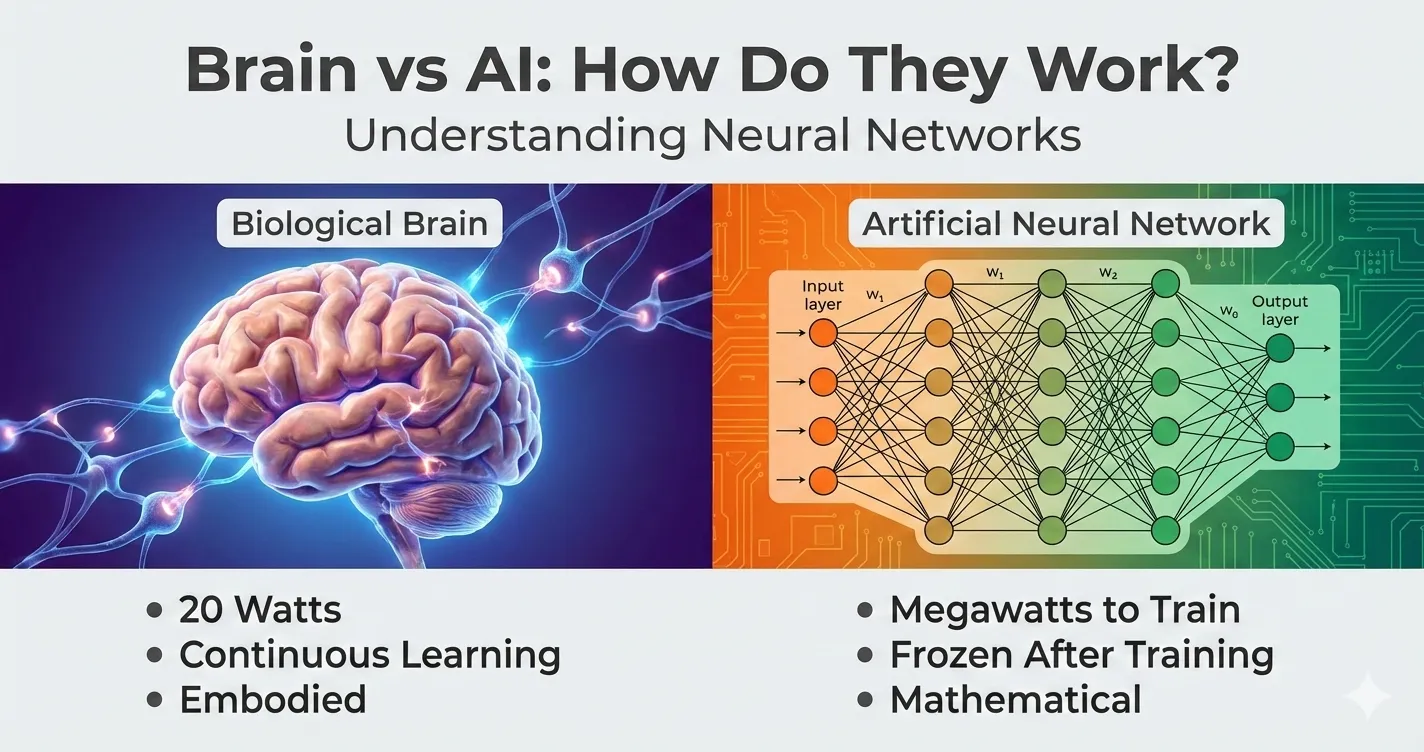
Brain vs AI comparison showing biological brain and artificial neural network with key differences

How Brains and AI Work

Can machines think like humans? Explore the fascinating comparison between biological brains (20 watts, continuous learning) and artificial neural networks (megawatts to train, frozen after training). Understand thinking, creativity, and consciousness.

January 30, 2026 · 9 min · 1763 words ·  By Eric Gulatee | AI-assisted