
When Everyone Can Build Software, What's Left to Sell?
I asked Claude Opus 4.6 what happens when building software costs nothing. The answer was more honest — and more uncomfortable — than I expected.
I asked Claude Opus 4.6 what happens when building software costs nothing. The answer was more honest — and more uncomfortable — than I expected.
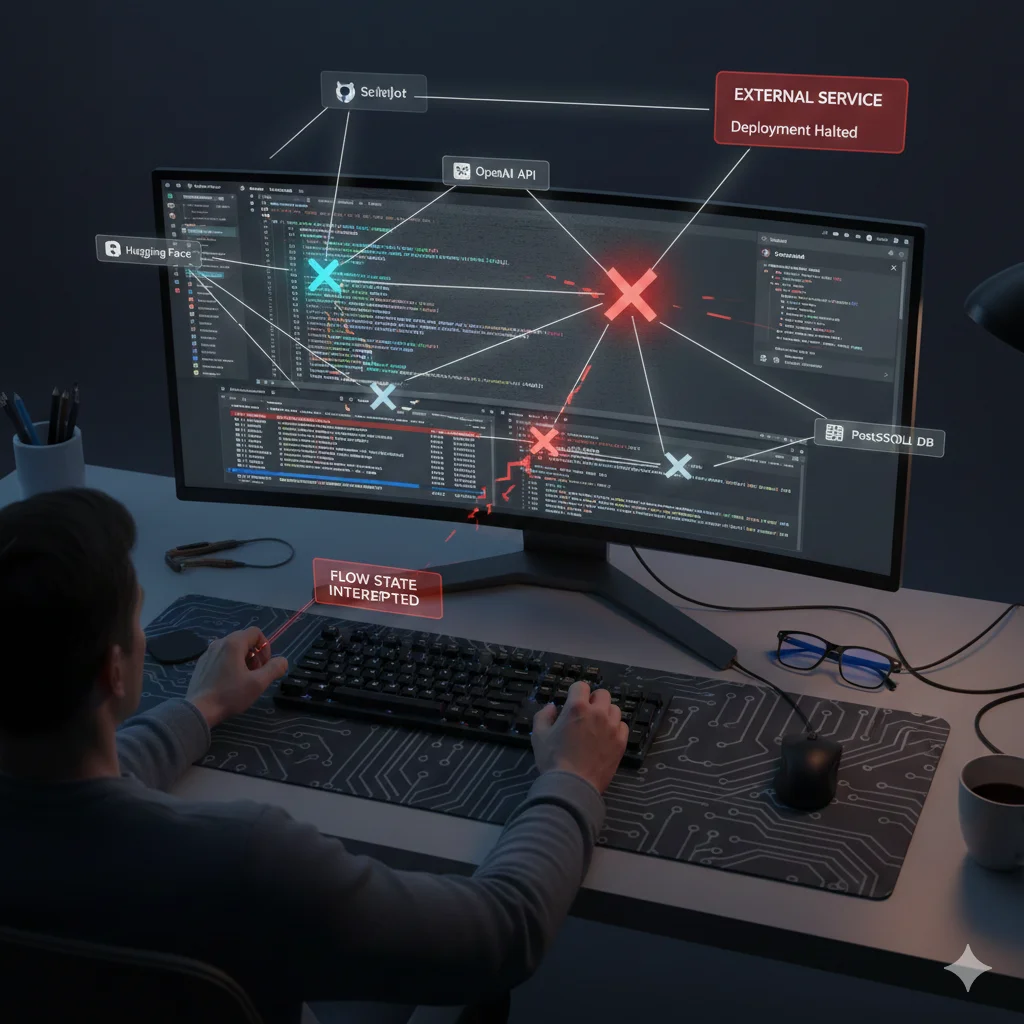
When the Stack Stops It’s 2:00 PM on February 9th, 2026. I’m in flow—code is shipping, tests are green, the AI assistant is humming along. Then: nothing. I can’t push or pull code—the entire AI-augmented development workflow is frozen. By 2:30 PM, service is restored. Thirty minutes of downtime. But here’s the thing: this isn’t really about GitHub. It’s about how AI-augmented development changes the calculus of vendor reliability. When your workflow depends on AI assistance maintaining context across your entire codebase, vendor downtime isn’t just inconvenient—it disrupts the exponential productivity gains that make AI development transformative. ...
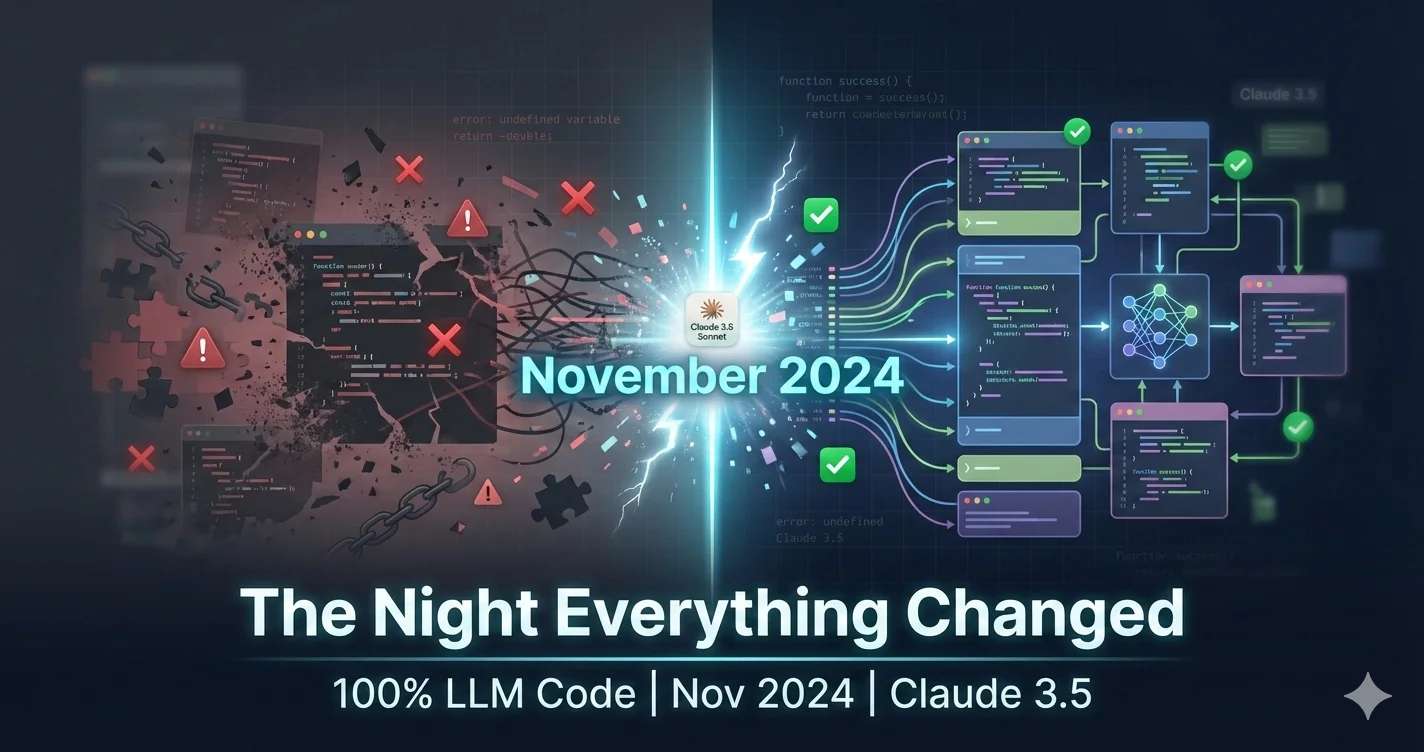
After 2 failed attempts in early 2024, Claude 3.5 Sonnet (October 2024) finally had the instruction-following capability needed. Built a production deployment orchestrator in 3 days that saved weeks per use.

TL;DR: When humans validate AI output, diverse perspectives catch diverse errors. When AIs validate each other, they converge—because similar training produces similar weights, which produces similar reasoning. Temperature adds surface-level noise, not new capabilities. Genuine novelty requires evolutionary mutation: artificial DNA. Expert vs. Researcher: Two Modes of Validation I recently published a two-part series on space-based AI infrastructure . I’m not an aerospace engineer—I’m a software developer. That distinction defines how I validate AI output. ...
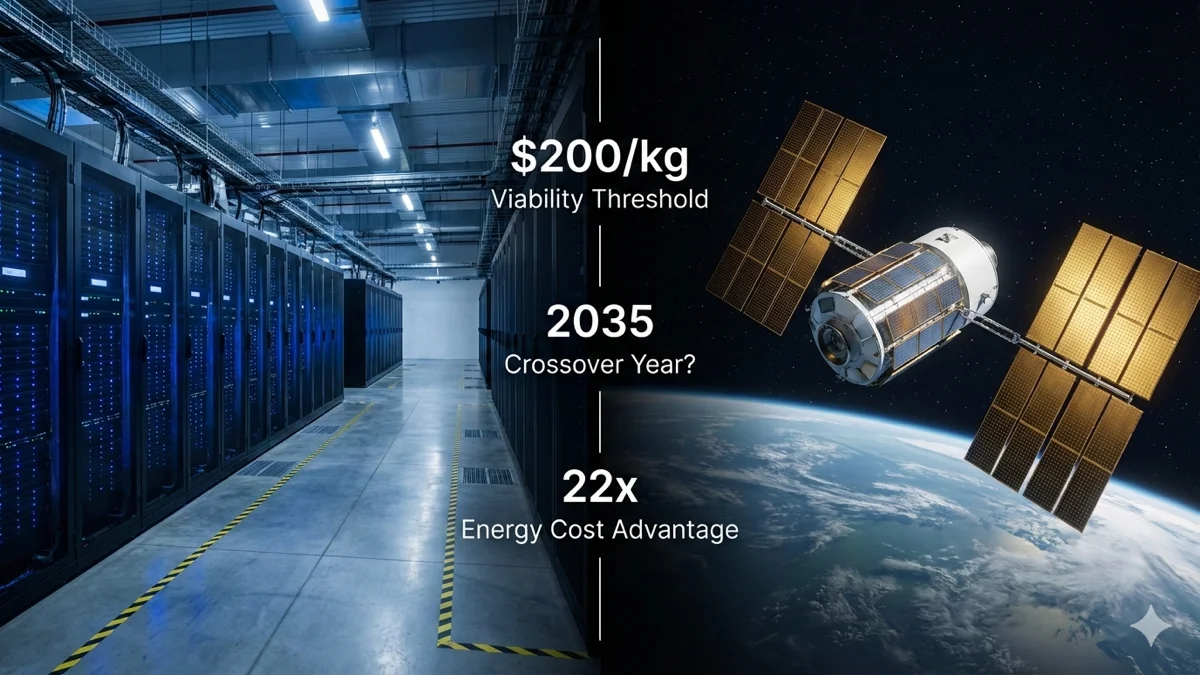
📌 This is Part 2 of a 2-part series: ← Part 1: Economic Analysis Part 2 (this post): Manufacturing, regulatory, and physical constraints Last Updated: February 5, 2026 ⚠️ Accuracy Disclaimer: This analysis synthesizes data from regulatory filings, manufacturing precedents, and aerospace industry reports. While we’ve made every effort to verify production rates, regulatory approvals, and physical constraints, the space manufacturing landscape evolves rapidly. Launch capacity numbers reflect current FAA approvals as of February 2026. Timeline projections are based on historical precedents from Tesla, Apollo, and Starlink programs. Readers are encouraged to verify critical details independently. ...
📌 This is Part 1 of a 2-part series: Part 1 (this post): Economic viability and cost analysis Part 2: Manufacturing Reality Check → Last Updated: February 5, 2026 ⚠️ Accuracy Disclaimer: This analysis synthesizes data from 60+ sources including SpaceX filings, FAA approvals, academic research, and industry reports. While we’ve made every effort to verify claims and cite primary sources, the rapidly evolving space industry means some figures may become outdated. Launch capacity approvals, cost projections, and timeline estimates should be treated as point-in-time assessments. When specific claims are unverified or based on company projections, we note this explicitly. Readers are encouraged to verify critical details independently. ...
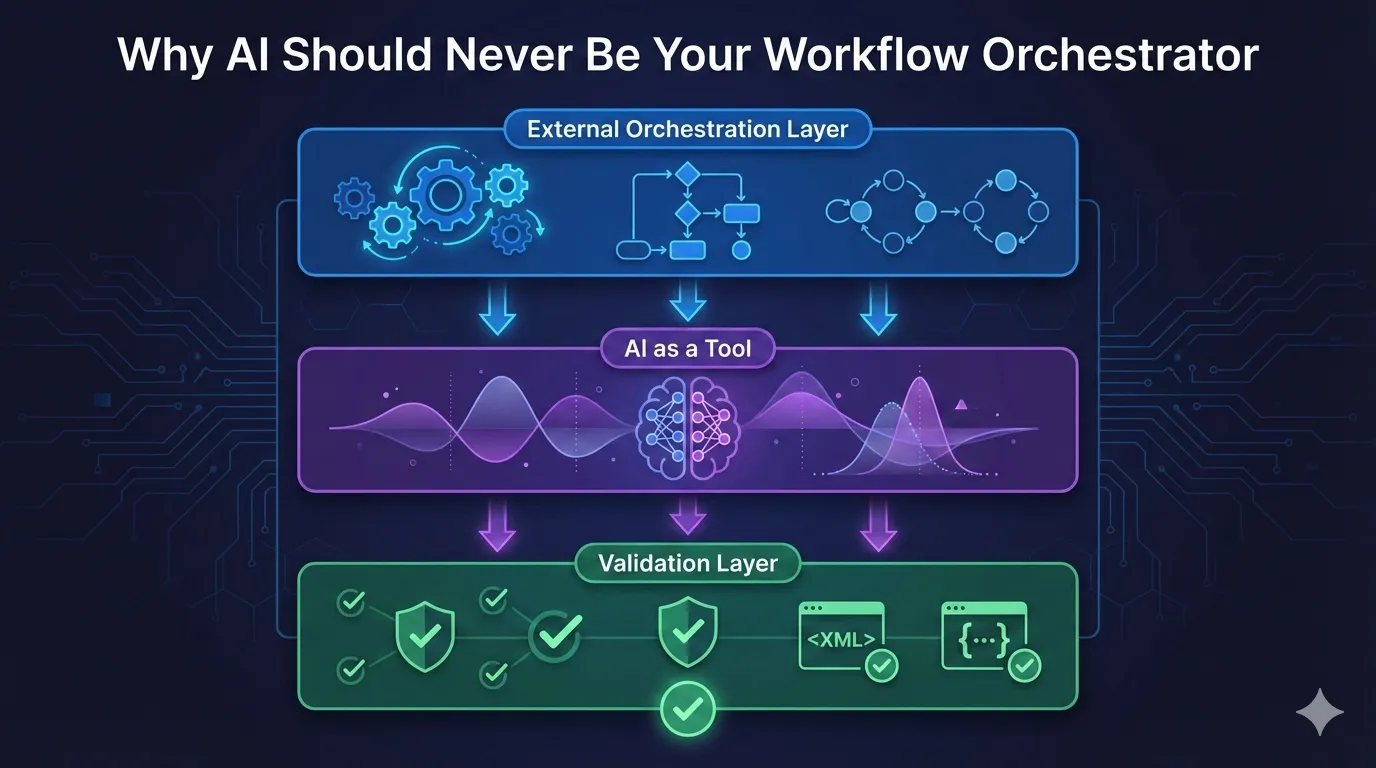
I’ve learned through experience that there’s a fundamental truth about AI-assisted development: AI enforcement is not assured. You can write the most detailed skill file. You can craft the perfect system prompt. You can set up MCP servers with every tool imaginable. But here’s the uncomfortable truth: the AI decides whether to follow any of it. That’s not enforcement. That’s hope. TL;DR: LLMs are probabilistic and can’t guarantee workflow compliance. Skills and MCP tools extend capabilities but don’t enforce behavior. Claude Code Hooks solve this by providing deterministic control points—SessionStart, PreToolUse, and PostToolUse—that ensure critical actions always happen. As AI-generated code scales, you need automated validation systems that codify architectural rules, business constraints, and design patterns. Workflow orchestration must live outside the AI. ...
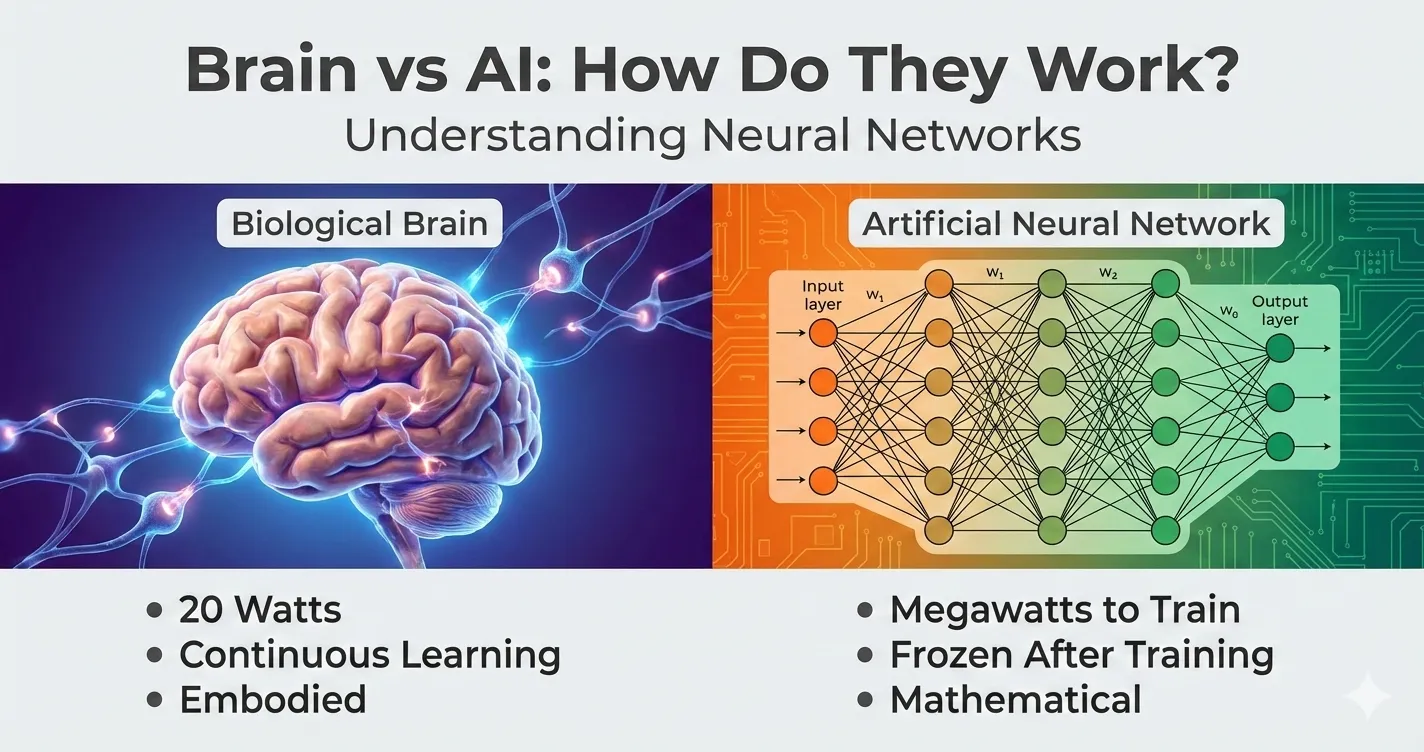
Can machines think like humans? Explore the fascinating comparison between biological brains (20 watts, continuous learning) and artificial neural networks (megawatts to train, frozen after training). Understand thinking, creativity, and consciousness.
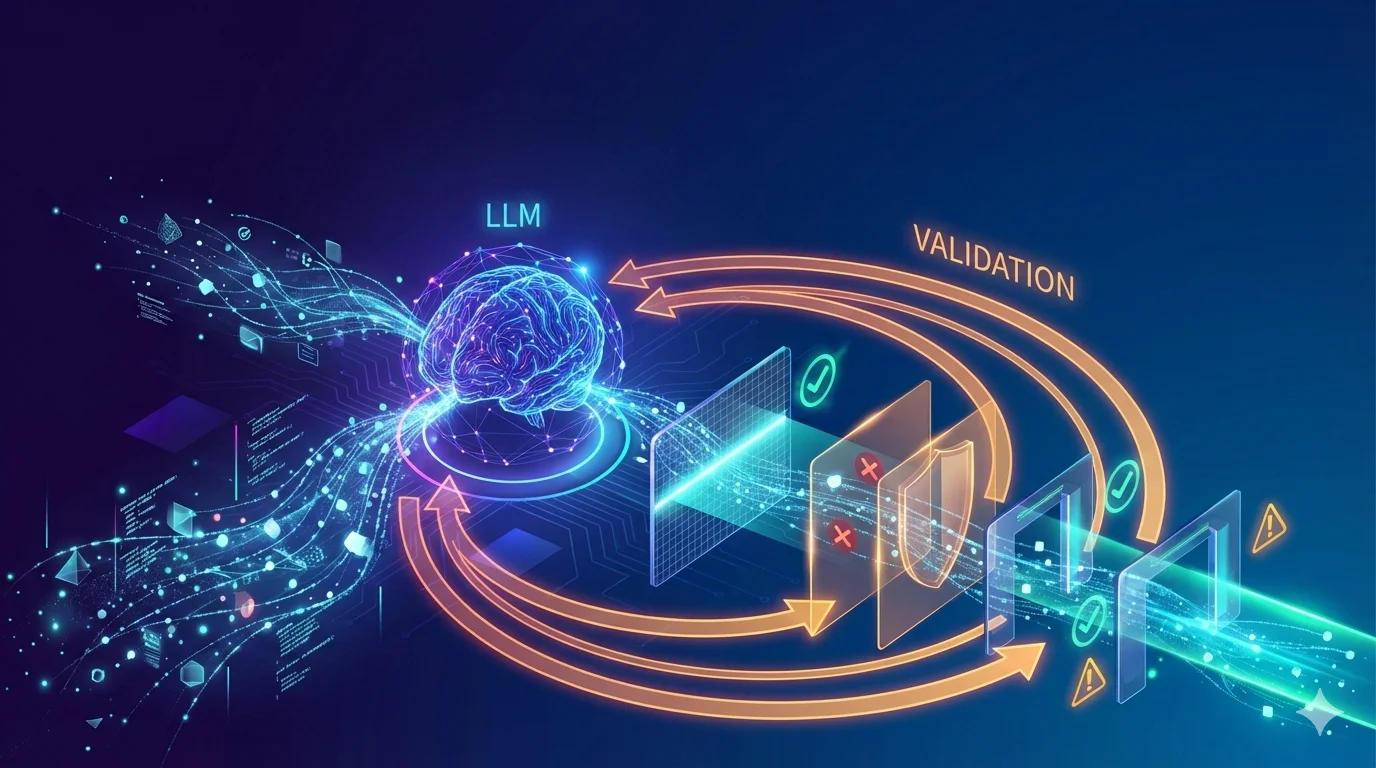
Instructions and tools tell LLMs what to do, but guardrails ensure they do it. Discover how to build validation feedback loops that make LLM outputs reliable through automated guardrails—with a 10-minute quick start guide.
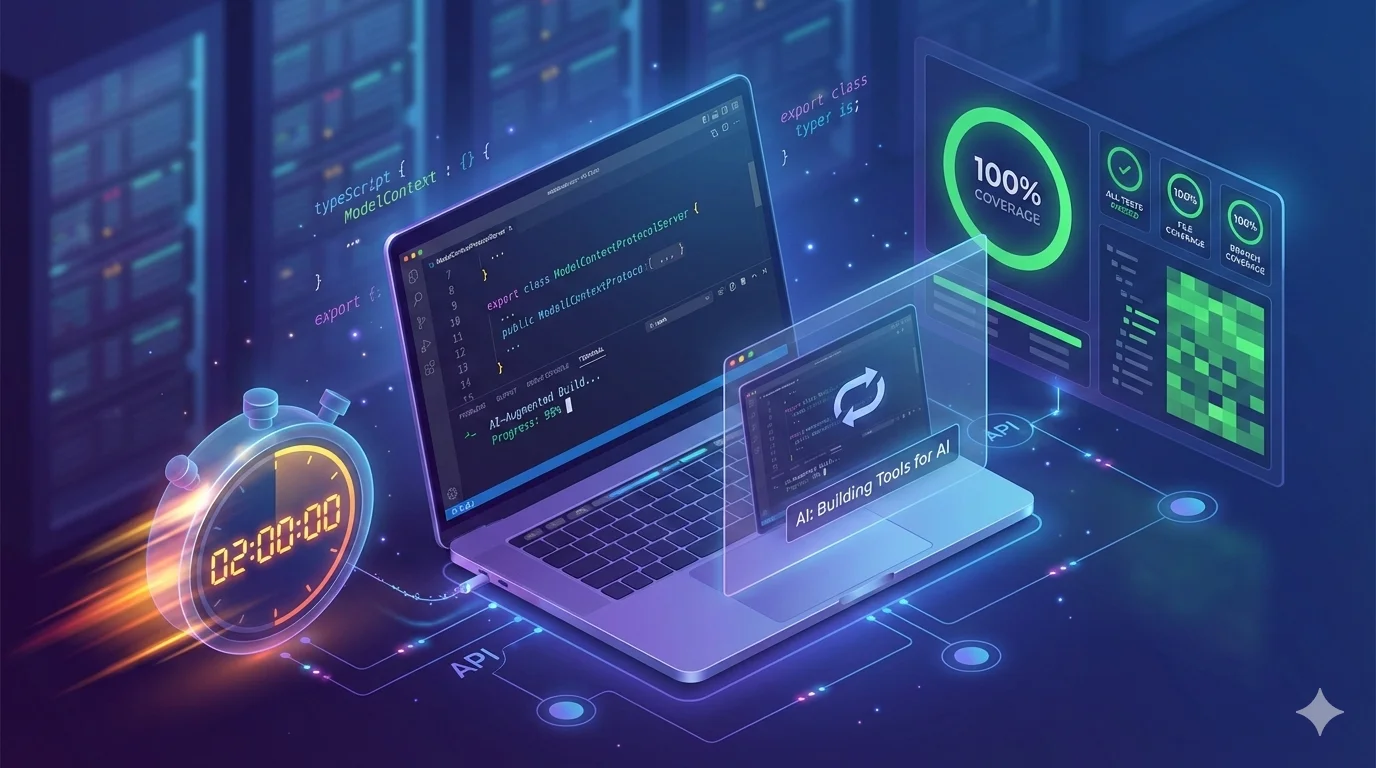
Built a fully functional Codecov MCP server in 2 hours using Claude Code to extend Claude Code itself. From zero to working server with authentication, API integration, and real-world lessons learned.